




Your Work Truck Is a Revenue Tool, Choose a Los Angeles Dealership That Supports It
The old truck makes it through the morning, then loses the afternoon. A warning light turns into another missed stop, another call to a customer, another crew standing around while the day gets reshuffled. That is usually the moment this stops being a simple vehicle search. What looks like a hunt for any dealership in Los Angeles becomes something more urgent: how do we replace a work vehicle without buying ourselves the next service delay, warranty runaround, or financing decision that tightens cash flow at the worst time?
We see this shift all the time. Business buyers often begin with a broad search because they know they need a truck, van, or commercial vehicle soon. But for a company that depends on vehicles to produce revenue, the real decision is not just who can complete the sale. It is who can support the vehicle after delivery, when the pressure is no longer on paperwork but on uptime.
Commercial Vehicle Guidance
Talk through your truck needs before downtime gets worse
If your current work vehicle is creating schedule problems, a commercial-focused conversation can help you evaluate replacement timing, service support, and financing fit before you commit.
- Commercial guidance that looks beyond the day of sale
- Service follow-through that matters when work is scheduled tightly
- Repair and warranty coordination that reduces avoidable friction
- Financing conversations shaped around operations, not just approval
In Los Angeles, downtime spreads fast. One truck out of service can affect a route, a crew, a delivery window, and the next customer on the calendar. Traffic extends every delay. Dense service areas make rescheduling harder. Even a short repair interruption can create a full-day operational problem.
That is why a standard retail dealership experience often falls short for business buyers. A retail process may be perfectly fine for someone shopping for a personal vehicle, comparing trims, and driving occasionally. A business owner or fleet lead is dealing with something else entirely. The vehicle is tied to labor, appointments, equipment, and revenue. If support after the sale is unclear, the true cost of the purchase can end up much higher than the price on the deal sheet.
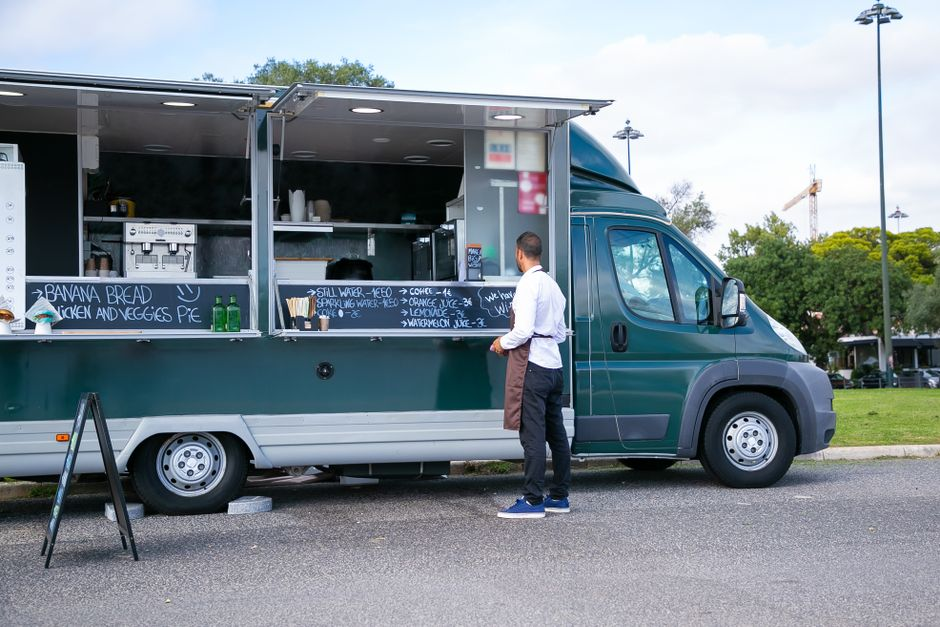
We think the better lens is simple: do not judge a dealership only by whether it can sell the truck you need today. Judge it by whether its commercial process helps keep that truck working next month, next season, and through the next replacement cycle.
What to evaluate before you buy
Before committing to a commercial vehicle, it helps to slow the conversation down and test whether the dealership is built for business ownership, not just business transactions. The right questions usually fall into three categories: service access, repair coordination, and financing fit.
Service access is part of the purchase decision
If a truck is going to carry jobs, tools, inventory, or crews, service cannot be an afterthought. We encourage buyers to ask how the dealership handles ongoing maintenance and repair support for commercial customers, what communication looks like when a vehicle is in for work, and how scheduling is approached when downtime affects operations.
You are not looking for a sales pitch here. You are looking for signs that the dealership understands that an inoperable work vehicle does more than inconvenience the owner. It can delay invoices, idle employees, and force a business into backup plans that cost money. A dealer that recognizes that reality is usually better prepared to support a business over time.
Parts, warranty, and repair coordination should feel connected
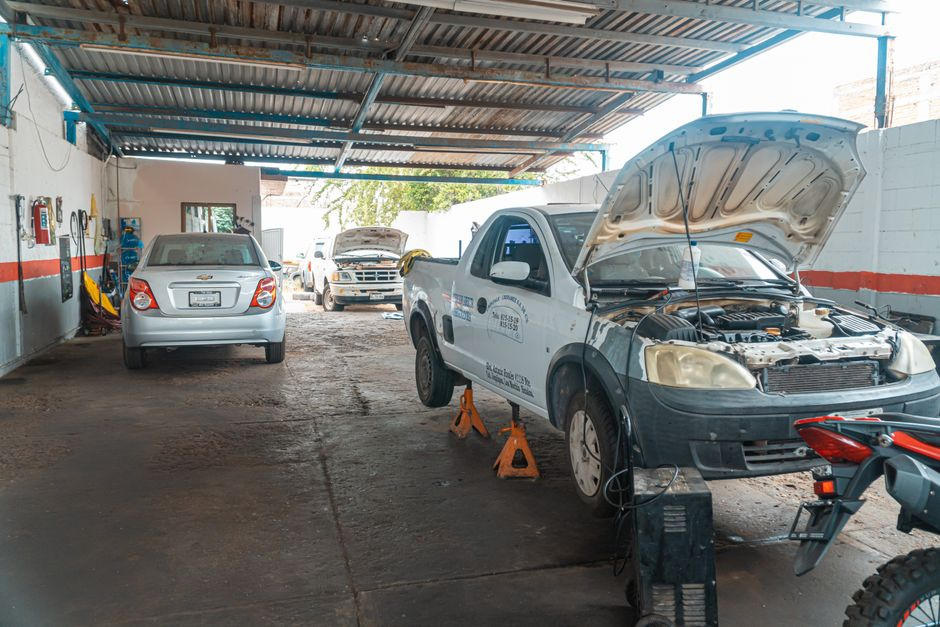
One of the most frustrating ownership experiences is discovering that every issue becomes a separate chase. The sale happened in one place, the repair question goes somewhere else, the warranty answer takes another call, and nobody seems to own the full picture. For a business buyer, that disconnect matters.
A stronger commercial process treats these pieces as connected. Ask how warranty-related issues are handled, how repair updates are communicated, and how parts-related delays are explained. The goal is not to demand guarantees a dealership cannot responsibly make. The goal is to learn whether there is a clear path for support when something goes wrong. That clarity can save far more time than shaving a little off the purchase price up front.
Financing should support the business after delivery
A lot of buyers focus on one question: can I get approved? For commercial use, that is only the starting point. Better financing support should also help answer whether the structure fits your payment rhythm, replacement timing, and broader operating needs.
If the payment strains the business every month, the truck may technically be acquired but still create pressure everywhere else. If the structure ignores near-term growth plans or the need to replace another unit soon, it may solve one problem while creating the next one. We believe the financing conversation should reflect how the vehicle is going to earn its keep, not just whether the paperwork can be completed today.
What this looks like in real buying situations
The right dealership process can look a little different depending on where your business stands. What stays the same is the need for continuity after the sale.
Replacing one aging truck
If you are replacing a single problem vehicle, the risk is often immediate. You may already be dealing with repeat repairs, uncertain reliability, and pressure to move before the next breakdown interrupts a booked schedule. In that case, we would focus on how smoothly the dealership can help you move from old unit to replacement while also setting expectations for service and maintenance afterward. The point is not just to get out of the failing truck. It is to avoid stepping into another ownership headache.
Adding several vehicles
When the need involves multiple units, the challenge usually becomes coordination. You are not just buying vehicles; you are managing timing, budgeting, driver assignment, and future maintenance load. That is where a commercial-minded process matters more than a one-off retail transaction. We would want the dealership conversation to reflect the scale of the decision and the need for a support relationship that can continue as the fleet changes.
Buying commercial vehicles for the first time
First-time commercial buyers often do not need more noise. They need a framework. If you are moving from personal-use buying habits into business vehicle planning, it helps to work with a dealership that can explain the difference between simply purchasing a truck and setting up a workable ownership path. That includes discussing service expectations, financing logic, and how future needs may affect today’s decision.
What happens after delivery matters just as much
The day you take delivery is important, but it is not the finish line for a business vehicle. After that comes maintenance planning, repair history, future additions, and the next replacement decision. A dealership that understands commercial ownership should make that longer timeline easier to manage, not more fragmented.
This is where continuity starts to matter in a practical way. If the same dealership can support the vehicle as it ages, help you think through the next unit when demand grows, and keep financing conversations tied to business reality, ownership becomes easier to manage. If every stage requires starting over with a different contact, different process, or different assumptions, the friction builds quickly.
That is one reason many broad dealership searches miss the real issue. The question is not simply which lot has vehicles available. The better question is which dealership process gives your business the best chance to stay moving after the excitement of the sale is over.
A short scorecard for the conversation
When you are comparing options, these are the questions we would keep in front of us:
- How does this dealership support commercial customers after the sale?
- What does service communication look like when a work vehicle is in for repair?
- How are warranty and repair questions coordinated?
- Does the financing discussion reflect cash flow and replacement timing?
- Will this process still make sense if we add more vehicles later?
The next conversation should be about support, not just stock
If your search for auto dealerships in Los Angeles started because a truck is becoming unreliable, we would not treat that as an inventory problem alone. It is an operations problem. The right next step is to talk with a dealership that understands the pressure behind the purchase and can help you think through vehicle selection, financing, and ongoing support as one connected plan.
At LAX CDJR, that is the conversation we aim to have with business buyers. Not just how to complete the deal, but how to make the next vehicle a smarter fit for uptime, service continuity, and the way your business actually runs.
LAX CDJR
Need a dealership that supports your business after the sale?
Connect with LAX CDJR to discuss commercial vehicle selection, financing, and the service continuity your operation depends on.

0 comment(s) so far on Your Work Truck Is a Revenue Tool, Choose a Los Angeles Dealership That Supports It