






Should You Fix a Dent or Replace Tires Before Trading In?
Fix the Dent, Replace the Tires, or Trade Your Car In As-Is?
Two repair estimates sit beside a photo of the dent and a note that the tires are wearing down. Which bill, if either, is worth paying before you ask what the car could bring as a trade-in? The missing information is an assessment of the car as it stands. At LAX CDJR, we’d rather help you discuss that condition before you commit to non-urgent work on the assumption it will pay for itself.
Start with the car you have
Before paying for a dent repair or new tires solely for trade-in value, ask LAX CDJR how to begin an as-is appraisal conversation.
Start with the car in its current condition
Ask us how to begin an as-is appraisal conversation, and tell us about both issues up front. An assessment of the vehicle as presented gives you a starting point for deciding whether to spend money on either repair. It cannot guarantee what an unrepaired car will be worth on a different day, or exactly how much a completed repair might change an offer.
If you receive a preliminary estimate based on a description or photos, treat it as preliminary. An in-person inspection can reveal details that were not visible remotely, so the assessment may change once we see the vehicle. Wait for that conversation before scheduling cosmetic work solely for the trade-in.
Decide whether the dent is worth fixing
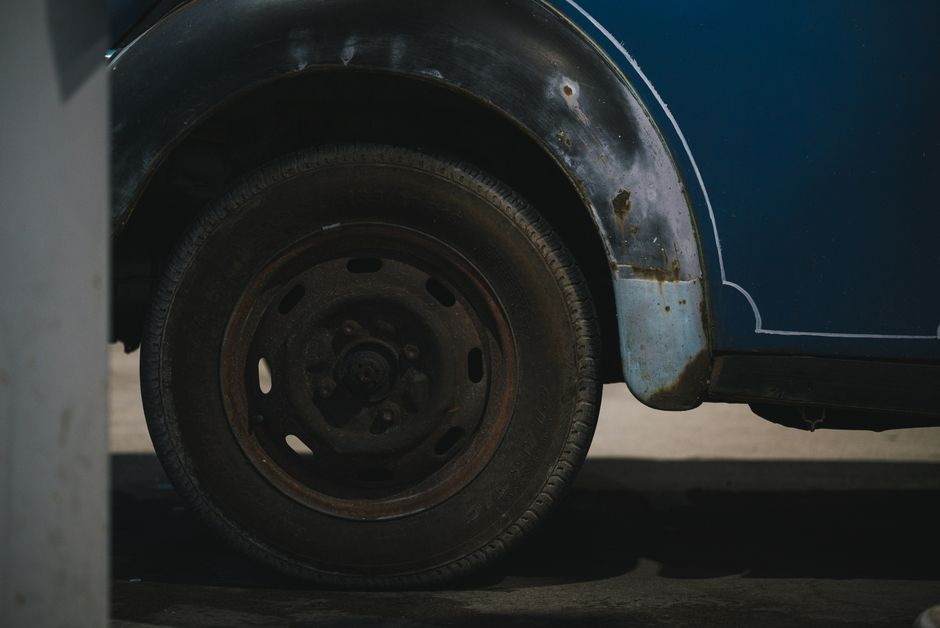
A dent is a condition detail, not an automatic instruction to visit a body shop. Note where it is, photograph it in good light, and mention any cracked paint or other damage you can see. If you have a written repair estimate, keep it separate from the tire estimate so you can weigh each expense on its own.
Ask us whether repairing that particular dent could materially affect our appraisal. Even if it might, the change in an offer is not guaranteed to cover the repair bill. If the likely effect remains uncertain or small relative to the quoted cost, trading the car in with the dent may make more sense than paying for cosmetic work first.

Treat tire wear and tire safety as different questions
Worn tires can affect how we assess the car’s condition, but replacing them just before a trade-in does not automatically return the purchase price in a higher offer. Tell us what you know about the tires, including uneven wear, visible damage, or a recent assessment, and ask whether replacement could materially change our appraisal.
Safety comes first. If you suspect a tire is unsafe—for example, you see exposed cords, a bulge, or serious damage—have it assessed and address the concern before driving the car to us. Do not keep driving on a tire you believe may be unsafe to protect the trade-in math. A qualified tire professional can help determine what the vehicle needs for safe use; that decision stands apart from whether new tires would improve an offer.
Bring the details that make the conversation useful
You do not need to repair the car to ask us where to start. A few specific details will help us understand the two proposed expenses:
- The vehicle’s year, make, model, and current mileage
- Clear photos of the dent, including its location and any visible paint damage
- Details about tire wear or damage, plus photos if available
- Separate written estimates for dent repair and tire replacement, if you have them
You can send or say: “I’m considering trading in my [year, make, model] with [mileage] miles. It has a dent [location and description], and the tires [condition]. I can share photos and separate repair estimates. How should I begin an as-is appraisal with LAX CDJR, and could fixing either issue materially affect your assessment? I understand any preliminary estimate may change after you inspect the car.”
That question gives us a chance to discuss the car you actually have before you authorize non-urgent work. Consider the dent bill and tire bill separately against any plausible effect on the appraisal, without counting on either expense to come back dollar for dollar. Once the trade-in question is clearer, we can talk about the vehicle you want next.
One question about preliminary estimates
Why might an estimate change when the car is inspected?
Photos and descriptions can miss details about the vehicle’s condition. An in-person inspection lets us assess what is actually there, so a preliminary estimate should not be treated as a final offer. Contact LAX CDJR about an as-is appraisal before approving non-urgent repairs, and tell us if tire safety needs attention before you make the trip.
Ready to discuss your trade-in?
Share your car’s mileage, dent and tire details, photos, and any separate repair estimates with LAX CDJR. A preliminary estimate may change after an in-person inspection; address suspected unsafe tires before driving.

0 comment(s) so far on Should You Fix a Dent or Replace Tires Before Trading In?