






Bring the Car Seat: A Family Fit Test for a Used SUV
The folded stroller slides through the parked SUV’s cargo opening. The child restraint is waiting beside the rear door. That easy load is encouraging, but it cannot tell you whether the restraint can be correctly installed where your child needs to sit—or whether the person up front will still have usable space. Bring both items to LAX CDJR and check them in the exact used SUV before you decide to buy.
Find a used SUV worth testing in person
Explore available vehicles, then ask LAX CDJR about bringing your car seat and stroller to check the exact SUV while it’s parked.
What should you bring before the visit?
When you’re looking at car lots in Los Angeles, an SUV label or cargo-volume figure can help you narrow the search, but neither answers a question about your family’s gear. Before making the trip to LAX CDJR, ask whether the specific used SUV you want to see is available and whether you’ll have enough time to check your gear while it’s parked. We’d rather you assess the actual vehicle than guess from its dimensions.
- Your child restraint and its instruction manual, along with the seating plan you expect to use.
- Your folded stroller and the everyday cargo that needs to ride with it, such as a diaper bag or groceries.
- Any information you need to check the next restraint stage or space for another passenger, if your family’s needs are changing.
If someone else regularly rides in front or beside the child, keep that person’s space in mind during the check. A setup that works only with an important seat pushed out of use is not the setup you need.
Can the child restraint go where you need it?
Start with the safety-critical question while the SUV is parked. Identify the seating position you intend to use, then consult both the manual for that exact vehicle and the instructions for your restraint. Check whether that position and the installation method you plan to use are permitted, and follow the applicable instructions to assess whether you can install the restraint correctly. Don’t assume that an anchor you can see, or a restraint that appears to sit neatly on the seat, settles the question.
With the restraint installed as directed, check the space around it as your family would use it. Can the front passenger sit in a usable position while you meet the applicable instructions? Does another passenger still have the seat they need? If you’re planning for a different restraint stage soon, consider that future seating arrangement too rather than treating today’s setup as the only test.
We can make room in the shopping process for you to examine a vehicle with your gear, but we cannot give a universal fit verdict from the SUV’s size or from a successful stroller load. If the manuals leave you uncertain about the seating position or installation, seek help from a qualified child-passenger-safety professional before committing to that vehicle.
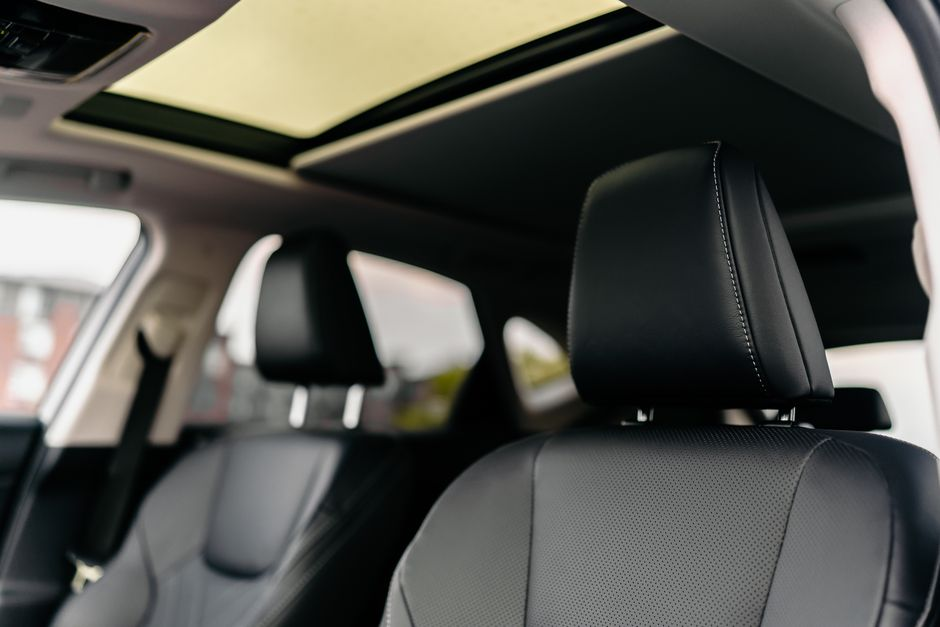
Does the stroller fit with the seats set for real life?
Only after treating the restraint as its own question should you turn to the cargo area. Set the seats as they would be on an ordinary day, with the passengers you need accounted for. Fold the stroller the way you normally do, lift it into the SUV, and add the daily items you brought. Check whether the rear opening, cargo floor, and space around the stroller make loading and unloading manageable for you.
Notice what you have to change to make everything fit. If the stroller goes in only when you fold a seat someone needs, leave essential cargo behind, or repeat a difficult maneuver each time, the published cargo figure is not much comfort. And even a perfect cargo fit says nothing about whether the child restraint can be installed correctly.
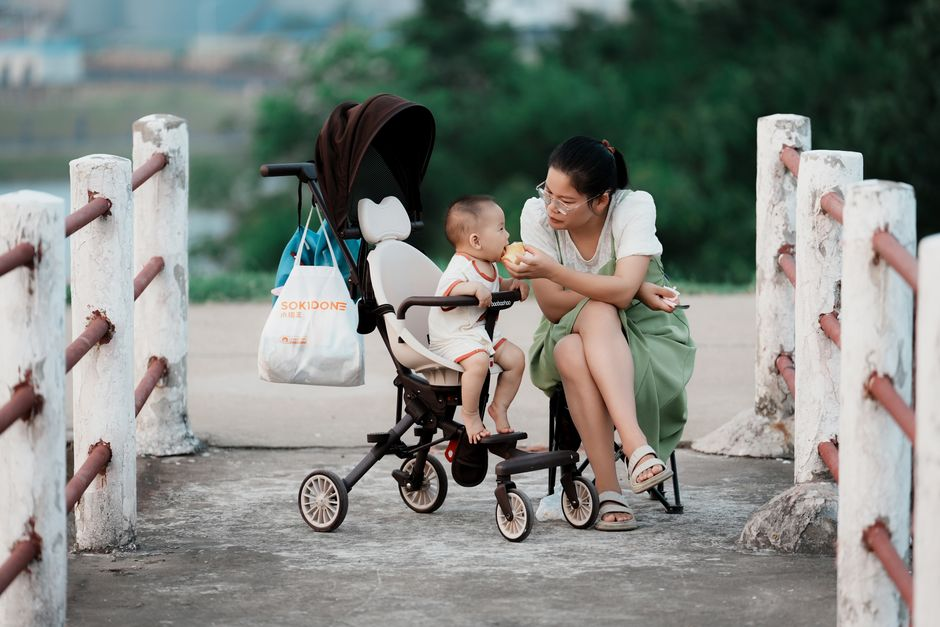
What needs to be settled before you buy?
Proceed only when the installation question is resolved using the exact restraint and vehicle instructions, and the seating and loading arrangement works for your family. Don’t count on sorting out unclear installation guidance after purchase; consult the manuals and qualified child-passenger-safety help first. If the guidance is clear but the stroller or passenger layout is impractical, ask us at LAX CDJR about another available vehicle you can check with the same gear. The useful answer is the one you can verify in the vehicle you’re considering—not a promise based on its SUV badge.
Ready to find the SUV that works for your family?
Once you’ve checked the applicable restraint instructions and confirmed the seating and cargo layout in the exact vehicle, explore your purchase options at LAX CDJR.

0 comment(s) so far on Bring the Car Seat: A Family Fit Test for a Used SUV